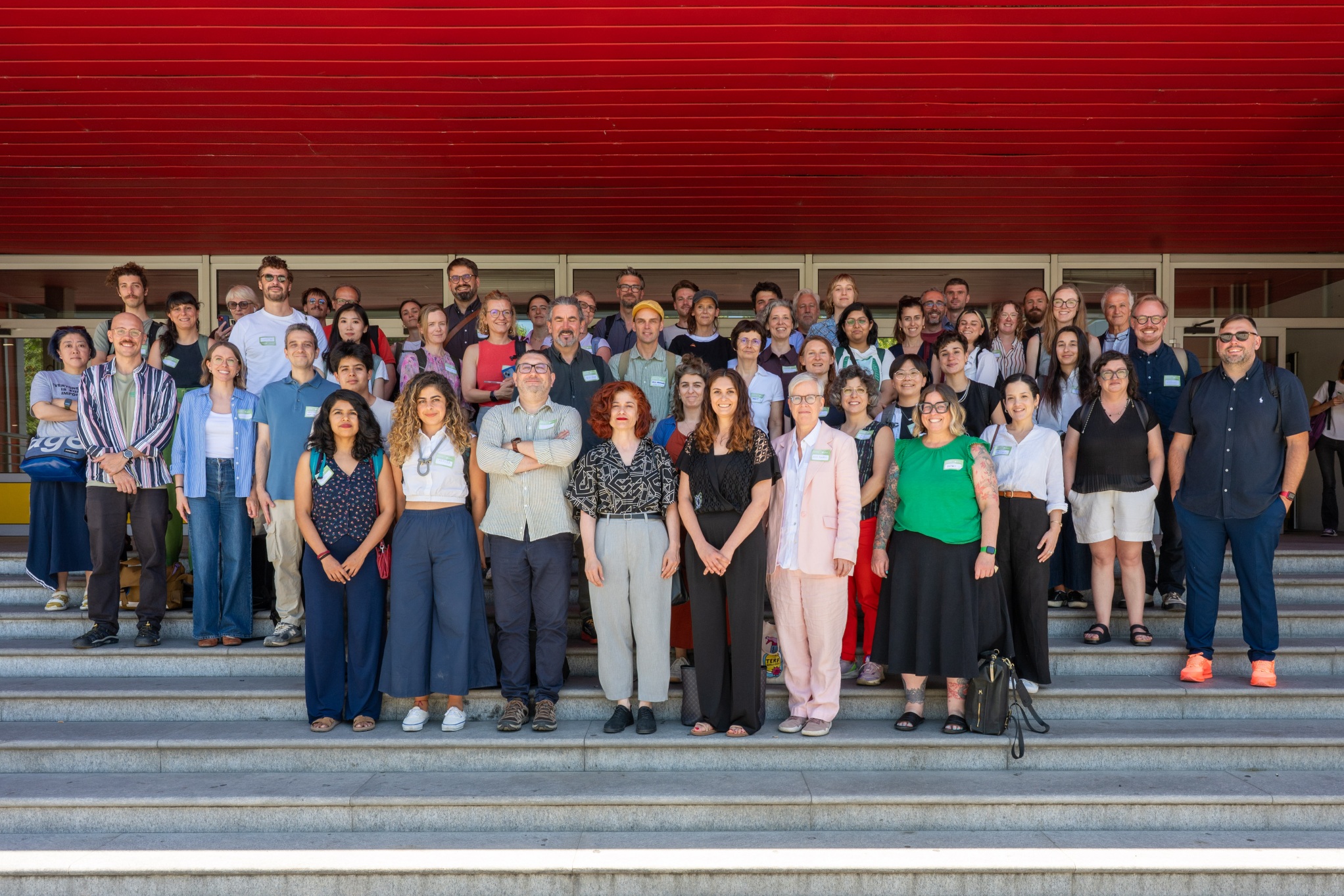
Designing democratic transitions: Milan Symposium at Politecnico di Milano

In June 2026, the Department of Design at Politecnico di Milano hosted the Milan Symposium, an international initiative organised within the framework of CoDesign4Transitions, bringing together more than sixty researchers, doctoral candidates, designers, practitioners, representatives of public institutions and civil society organisations from across Europe. Coordinated by CoDesign4Transitions coordinator Marzia Mortati and co-lead Lucy Kimbell, the symposium was much more than a scientific dissemination event.

It provided a space to reflect on one of the most pressing challenges of our time: how to address the ecological transition in ways that are democratic, inclusive and socially legitimate. Through keynote lectures, panel discussions and sessions dedicated to ongoing research, the initiative explored the contribution of design to sustainable transition processes, addressing themes such as democratic innovation, governance, public participation, experimentation and systems change.

Particular attention was devoted to the work of the thirteen Doctoral Candidates within the CoDesign4Transitions network, who presented the progress of their research on prototyping, visualisation, materialisation, and organisational and social transformation practices related to climate transitions.

The symposium created a space for dialogue between research and practice, encouraging reflection not only on the potential of design to support sustainable transformations, but also on its limitations, tensions and political implications when operating in contexts characterized by competing interests, unequal distributions of power and conditions of deep uncertainty. In this sense, the initiative highlighted the increasingly central role of design as a discipline capable of accompanying and guiding complex transformation processes involving institutions, organisations and territories.

From sustainability as a goal to transition as a process

Over the past decade, the debate on sustainability has progressively shifted from defining objectives to designing the conditions required to achieve them. The challenge is no longer simply to imagine desirable futures, but to understand how to build pathways for change capable of engaging diverse actors, conflicting interests and complex systems.

It is within this context that CoDesign4Transitions operates. Funded through the Marie Skłodowska-Curie Actions programme under Horizon Europe and coordinated by Politecnico di Milano, the doctoral network brings together universities, public organisations, businesses and civil society actors across seven European countries. Its objective is to train a new generation of researchers capable of working at the intersection of co-design, democratic innovation, service and systems design, sustainability and climate transitions.

Design as a political practice

One of the most prominent themes emerging from the symposium was the need to move beyond the idea of design as a neutral problem-solving activity. Climate transitions involve collective decisions, the distribution of resources, conflicts of interest and competing visions of the future. In this context, design cannot be limited to facilitating innovation processes; it must engage with issues of power, representation, inclusion and legitimacy.

The symposium proposed an understanding of design as a situated and political practice, capable of creating the conditions for diverse actors to participate in the construction of shared futures. Rather than seeking consensus, design was presented as a set of tools and practices for navigating complexity, disagreement and uncertainty. This perspective challenges simplified narratives of innovation and recognises conflict as an inevitable component of transformative processes.

Prototyping, visualising, transforming

The very structure of CoDesign4Transitions reflects this understanding of design. The network’s thirteen doctoral research projects are organised around three broad areas of inquiry, each representing a distinctive capacity of the discipline.

  • The first focuses on prototyping as a tool for democratic participation in climate transitions. In this perspective, prototypes are not merely devices for testing solutions; they become spaces through which citizens, institutions and organisations can explore possible futures, discuss alternatives and make tangible issues that are often abstract.
  • The second area investigates visualisation and materialisation practices. Faced with the growing complexity of climate-related challenges, design offers capabilities for translating information, evidence and dilemmas into forms that are understandable and shareable, supporting collective sensemaking and public deliberation.
  • The third area explores the contribution of design to organisational and systemic change. Attention is directed towards the practices through which public administrations, businesses and civil society organisations can adopt new models of governance, experimentation and participation to address ecological transitions.
Across all three areas, design emerges not as a producer of finished solutions, but as an infrastructure for collective learning and transformation.
Infrastructures for change
Within contemporary transition debates, change is no longer understood as the result of isolated interventions or innovations. Instead, it is increasingly seen as the outcome of networks of actors, institutions, practices and tools that make collective action possible over time. From this perspective, design contributes to the construction of material, organisational and cognitive infrastructures capable of supporting long-term transformation processes. Experimentation labs, participation platforms, visualisation tools, collaborative practices and new forms of governance become essential elements in enabling transitions towards more sustainable models.
The key question is no longer simply what to design, but which conditions should be designed to allow change to emerge, consolidate and spread.
Educating designers for transitions
The symposium also provided an opportunity to engage with the work of the thirteen Doctoral Candidates within the CoDesign4Transitions network, who come from different disciplinary and cultural backgrounds but share a common commitment to exploring the contribution of design to social and ecological transformation. The international and transdisciplinary nature of the project reflects broader changes taking place within design research.
Contemporary challenges require capabilities that cross disciplinary boundaries and engage with political science, transition studies, public governance and social innovation. CoDesign4Transitions is a research initiative that also serves as a laboratory for developing new educational models and envisioning the future of design.
Towards a democratic culture of transition
The discussions that emerged during the Milan Symposium converged around a shared awareness: sustainable transitions cannot be achieved solely through more efficient technologies or more advanced policies. They require processes capable of fostering participation, generating trust, making alternatives visible and creating spaces for dialogue among diverse perspectives.
In this scenario, design increasingly moves away from being understood as a discipline focused on solving problems and towards being recognised as a practice that enables democratic processes of transformation. This perspective expands the scope of the project while reaffirming its strategic relevance in addressing the major challenges of our time. Today, designing for sustainability means designing the conditions through which societies can imagine and collectively build their own pathways of change.
Story: Marzia Mortati

On secondment at the Democratic Society (DemSoc)

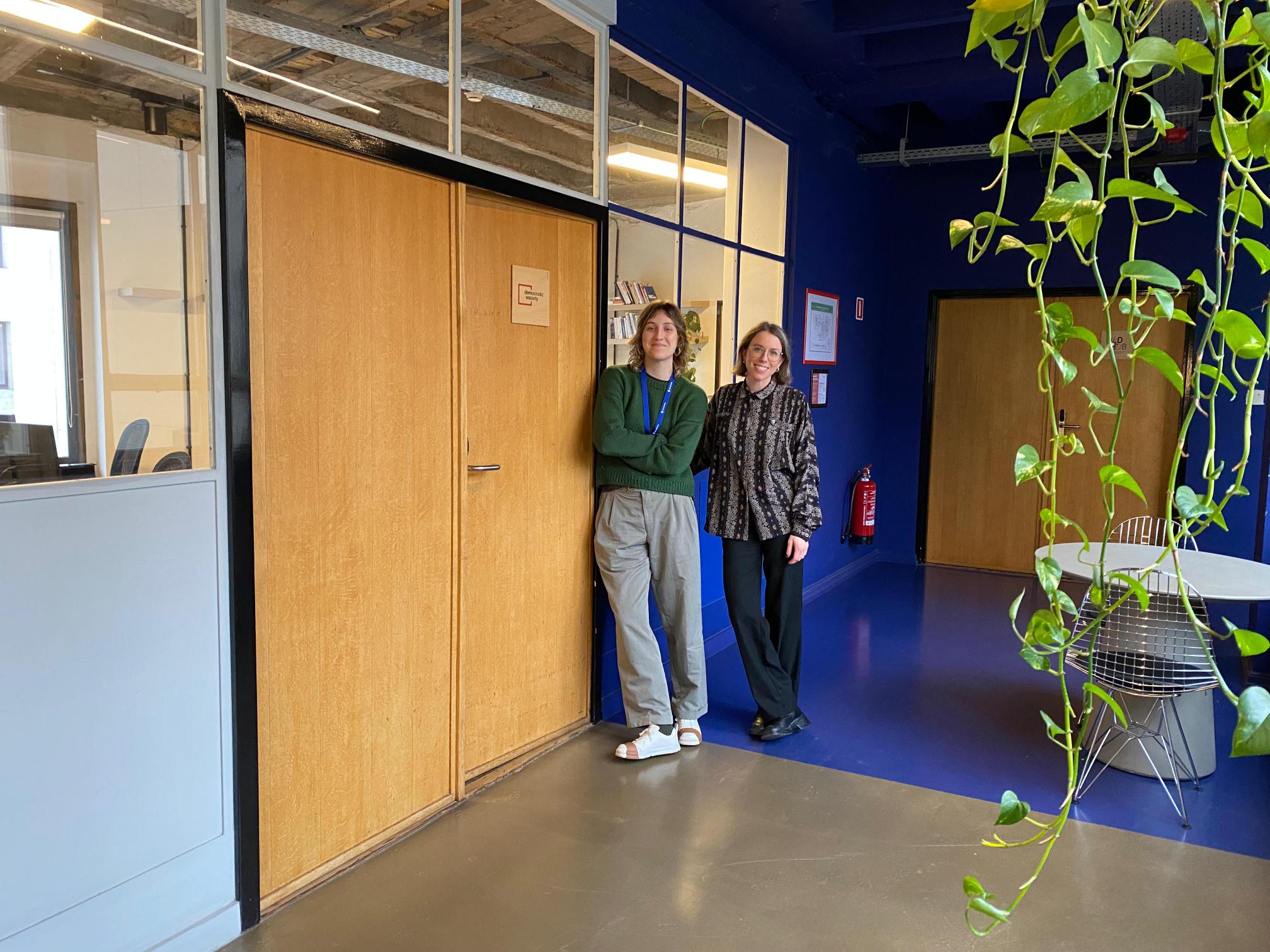
Two of the CoDesign4Transitions Doctoral Candidates, Anna Filippi and Eugenia Rosina, are doing secondments at the Democratic Society (DemSoc) in Brussels. Anna and Eugenia are undertaking their PhD research at Politecnico di Milano and Moholy-Nagy University of Art and Design respectively. As Anna’s secondment at DemSoc draws to an end, she has reflected on the experience.

What has been the focus of your secondment and what has it involved?

During my three-month secondment at DemSoc, I worked on the NetZeroCities (NZC) project, focusing on how it supports European cities in their transition toward climate neutrality.

My work involved conducting semi-structured interviews with participating cities to explore how NZC contributes to strengthening local capacities, enabling systemic approaches, overcoming organisational silos, and fostering collaboration across stakeholders.

How has this experience benefitted your research?

This experience provided valuable insights into the challenges and opportunities cities face when pursuing climate neutrality and the role of intermediaries like NZC in supporting transformative change. Being based in the Brussels office also allowed me to connect with colleagues from diverse backgrounds and areas of expertise working on a wide range of projects.

Through these interactions, I was able to exchange ideas, gain new perspectives for my PhD research, and expand my professional network.

DCs and supervisors reunite in Budapest for second in-person training week

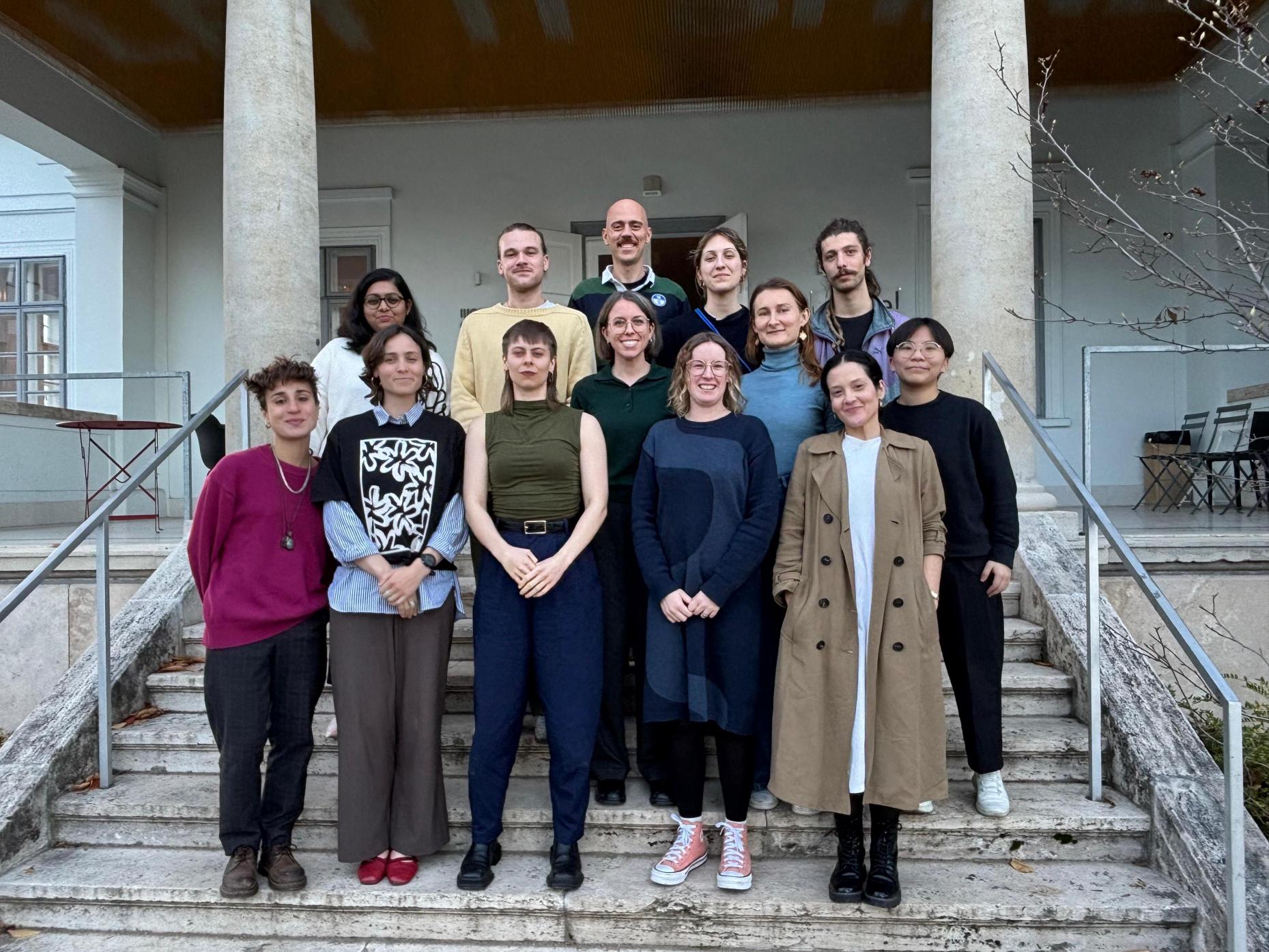
In early November 2025, the CoDesign4Transitions network came together in Budapest for the second in-person training week of the Sustainable Transitions through Democratic Design doctoral programme. Hosted by the MOME Doctoral School, the week brought all 13 Doctoral Candidates together with supervisors and partners from across Europe.

Over five days, the group shared research progress, exchanged feedback, and continued to build a collective understanding of the emerging field that connects design, sustainable transitions, and democratic innovation. The programme offered a diverse range of sessions, spanning transdisciplinary data analysis, prototyping as research, systems innovation, democratic co-production, and climate transitions.

Invited speakers played a key role in expanding these perspectives: we explored quali-quantitative methods for working with unstructured data with Mathieu Jacomy (Aalborg University); examined democratic innovation in practice with Daniela Amann (Democratic Society); reflected on the role of digital platforms in shaping the public sphere with Trisha Meyer (VUB); and engaged with transformation practice in human social systems with Luca Gatti (CHÔRA Foundation). A dedicated sense-making session with Aleksandra Gołdys (Climate-KIC) further supported the cohort in turning individual experiences into shared insights.

Moreover, a field-based workshop, led by Janka Csernák (MOME) with partner RÉV8, took DCs into Budapest’s District VIII for a case study walk. During the walk, DCs experimented with field-based data collection and ethnographic tools, later bringing their observations together in a collaborative analysis workshop.

Throughout the week, the cohort benefited from the support and facilitation of session leaders Lucy Kimbell (UAL), Marzia Mortati (Politecnico di Milano), and Judit Bényei (MOME), as well as the active engagement of partners from across the consortium.

This training week is part of our four-year programme funded by the Marie Skłodowska-Curie Actions (MSCA) Doctoral Networks, which connects eight universities and multiple institutional partners to support research at the intersection of design, policy, and sustainability.

Thank you to all of the MOME team involved in the training week, including videographers Kiki Tar and Gergő Matos, and for hosting us in Budapest. 

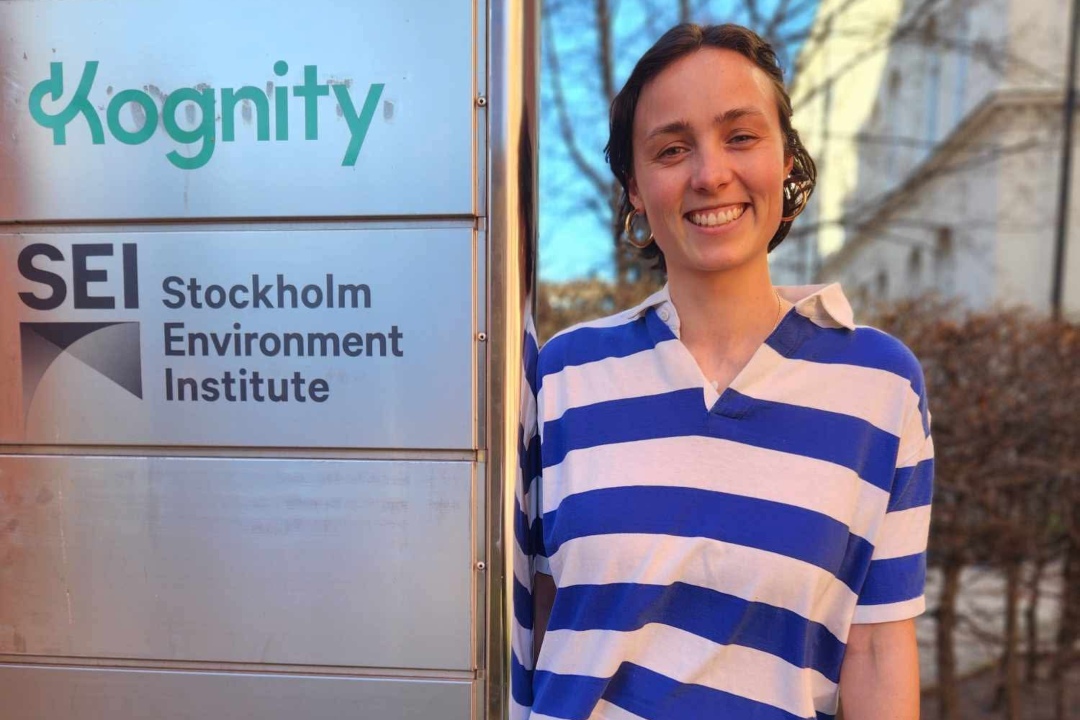
On secondment at Stockholm Environment Institute

Tessa Laven tells us about her secondment at the Stockholm Environment Institute in Sweden.

What research tasks or skills development are you focusing on during the secondment?

I’m based at Stockholm Environment Institute in the Rights + Equity team working on the SápmiDem project which is investigating democratic participation of Sámi communities in the context of the Nordic energy transition. I’ve been learning here about the threat to traditional Sámi reindeer herding caused by the influx of renewable energy projects being spurred on by the EU’s Green New Deal agenda. This is raising questions more broadly about the legitimacy of the Nordic energy transition, and in terms of my own PhD project, it’s bringing into focus the complexities involved with achieving ‘just transitions’, as well as where and how ‘design’ might intervene.

During my time here I’m undertaking a literature review into different cases of Sámi participation in permitting processes, as well as exploring some initial intervention points for embedding Sámi rights in permitting processes. A part of my secondment is also about exploring SEI’s work in climate transitions and learning from the range of experts here about how they are working with complexity in these contexts.

What activities have you taken part in during the secondment that have benefitted your research?

I’ve been involved in the NordForsk conference which brought together a range of funded research projects looking at different aspects of the Nordic-Baltic ‘green transition’. I’ve also been getting amongst the various seminars, workshops, and sharing sessions that are put on internally at SEI and having lots of great conversations with people about their work and the role of design.

I’m also very grateful to be included in the Rights + Equity team sessions, including listening in to seminars from visiting researchers and getting to know some of the other work the team is involved with regarding Sámi rights and land use in Sápmi. All of these interactions during my time at SEI have given me a taste of different research projects and approaches, and expanded my own understanding of climate transitions and the role of design.

What do you hope to achieve or what has been achieved during your secondment?

First and foremost is making some great connections at SEI and learning from the incredible researchers I’m surrounded by – particularly around research approaches and methods. Through my involvement on the SápmiDem project, I hope to understand how ‘rights-based approaches’ might be integrated into my PhD research regarding identifying leverage points for just climate transitions. With my Rights + Equity team colleagues, we are also exploring how to bring together our different knowledges in the form of a research paper.

What’s been your favourite part of the secondment experience?

Working with my mentors and team at SEI has been fantastic and I’ve felt so lucky to be so warmly welcomed by everyone here. Living in Stockholm and getting to know the city and the way of life here has also been a real highlight – especially as we approach warmer, longer days. My daily bike commute across the different islands, as well as the Swedish tradition of Fika will be things I will sorely miss from my time here!

Gathering in London for our first training week

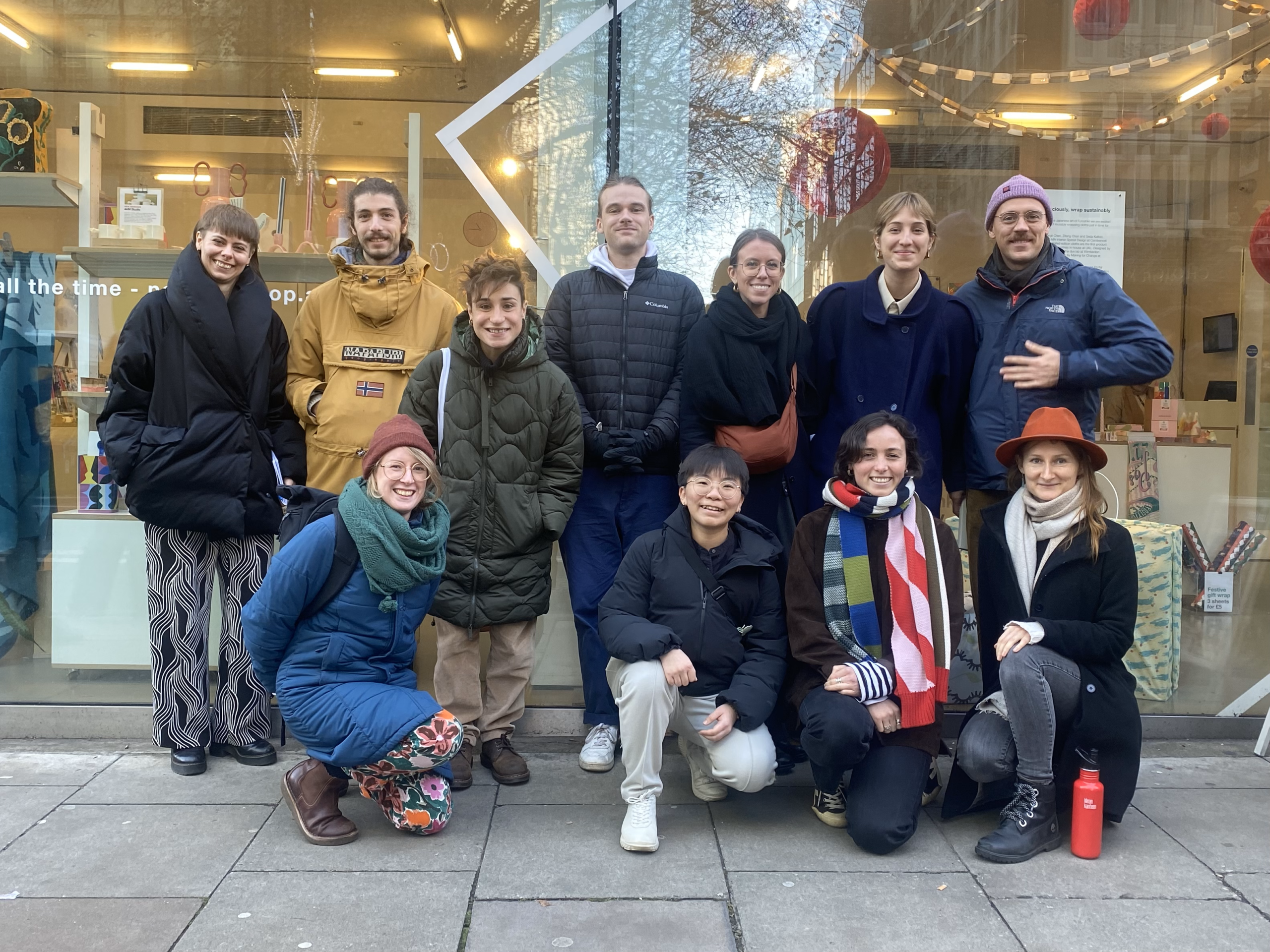
In November 2024, the UAL Doctoral School was buzzing for a week as over 40 people including doctoral students, academics and partners gathered for the first training week of CoDesign4Transitions.

The week consisted of a busy programme of keynotes, panel events, workshops, Q&As, sense-making, open-mic, and social sessions with contributions from staff across UAL including speakers Dr Matt Malpass (CSM), Dr Adriana Cobo Corey (CSM), Dr Victoria Odeniyi (Decolonising Arts Institute), Dr Anna Troisi (Creative Computing Institute) and supervisors in the network along with colleagues from the Transition Design Institute at Carnegie Mellon University, recent CSM PhD graduate Dr Daniella Jenkins from University of Bristol, specialist transition design co-operative Holon from Barcelona as well as other collaborators. Outputs from the network will be shared in an online knowledge base, two international conferences, policy briefings and other media between now and the end of 2028.

Professor Lucy Kimbell at Central Saint Martins, who co-leads the network and programmed the London training week said, “It was exciting for the network to come together in person to start exploring what a new research field will be to use design to respond to the collective challenge of climate transitions in a context of contestation and need for citizen-centred innovation.”

Story adapted from the UAL website

PhD candidates in new European training initiative to engage in practical, cross-disciplinary and innovative research rooted in design approaches

Eight institutions are set to recruit PhD candidates as part of a new doctoral network addressing major global challenges through design research.

The Sustainable Transitions through Democratic Design Doctoral Network, CoDesign4Transitions for short, has been awarded over €2 million by the prestigious Marie Skłodowska-Curie Action Doctoral Networks through the European Union’s Horizon Europe framework.

Working at the crossroads of democratic innovation and climate transitions, the 13 doctoral candidates will apply innovative approaches in design research to address ambitions of reaching climate neutrality.

The researchers in CoDesign4Transitions’ community of practice will apply several sub-disciplines of design in their projects, including service and systems design, social design, co-design and design for sustainability, while engaging and interacting with stakeholders such as citizens, business and local government authorities.

“In the context of sustainability transitions, CoDesign4Transitions will provide the doctoral researchers with a unique opportunity to pioneer democratic design methodologies for climate transitions in an interdisciplinary, intersectoral environment,” said Marzia Mortati, Associate Professor at the Politecnico di Milano and scientific coordinator of the project.

The 13 transdisciplinary PhD projects are themed into three complementary areas of investigation – prototyping, facilitating practice-system change, and materialising and visualising – which will contribute to a new body of design research integrating theories, concepts and methods.

“Transdisciplinary cooperation is urgent to enable governments, businesses and civil society organisations to develop and deliver multi-level societal solutions to achieve net zero targets laid out in the Paris Agreement,” said Professor Laurene Vaughan, who will co-supervise two doctoral candidates at RMIT Europe.

“Design can play a key role to meeting these goals given its creative capacities for enabling small-scale experimentation to de-risk solutions through prototyping, synthesising ideas and evidence into materials and visual forms for engaging stakeholders.”

CoDesign4Transitions’ comprehensive program of cross-country, cross-discipline and cross-sector cooperation will be supported by 15 associated partners from business, civil society, policy and local government whose knowledge and mentoring will enhance the professional development and employability of the PhD candidates.

An ongoing training program for the doctoral contingent, organised and hosted by CoDesign4Transitions partners, will include both summer and winter schools and all candidates will undertake two secondments, allowing them the opportunity to develop novel methodological approaches and test their research in an industry or governmental context.

CoDesign4Transitions is coordinated by the Politecnico di Milano (Polimi) and is a recruiting university alongside Aalborg Universitet, SWPS University, Vrije Universiteit, Syddansk Universitet and RMIT Europe as well as associated partners University of the Arts London and Moholy-Nagy Muveszeti Egyetem.
10 of the PhD positions are directly funded by the Marie Sklodowska Curie Actions Doctoral Network program, two positions by UK Research and Innovation and one position by the Hungarian government.

Recruitment for the network’s 13 transdisciplinary researchers will commence in January 2024.